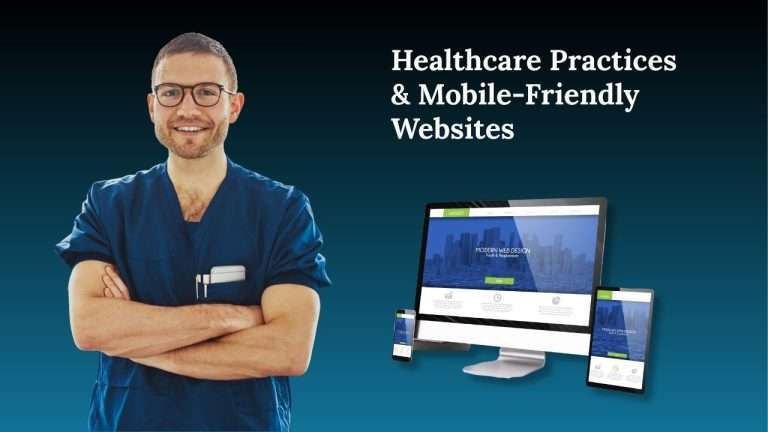
Why Healthcare Practices Need Mobile-Friendly Websites to Attract New Patients
Picture this: A patient feels chest pains at 2 AM and searches “urgent care near me” on their phone. They find your new clinic’s website,

Picture this: A patient feels chest pains at 2 AM and searches “urgent care near me” on their phone. They find your new clinic’s website,

Imagine this: a potential customer hears about your business, pulls out their phone to look you up, and clicks on your website only to be

It was all the buzz this month, especially on April 21st, the day Google rolled out new rules prioritizing mobile-friendly sites. Buzz term = Mobilegeddon Tech

With so many businesses moving their websites towards responsive design, mobile first approaches, mobile apps, etc. I think it important to take a step back